
FAQs
Quick answers for this category.
A fiber distribution box is a termination point with connectorized ports for pluggable drop cable connections, typically at building entry points or street-level distribution nodes. A fiber splice closure is a sealed enclosure for permanent fusion splices in the feeder network backbone. Distribution boxes enable field-flexible subscriber connections without splicing, while splice closures protect long-term splice integrity in through and branch cable routes.
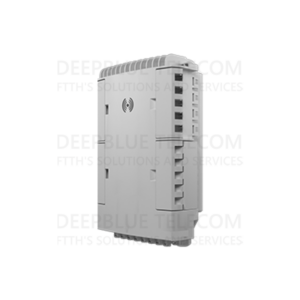
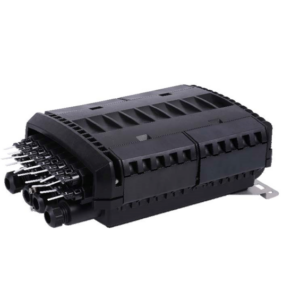
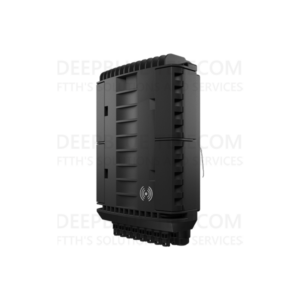
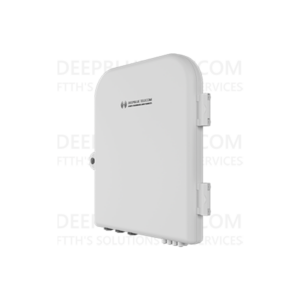
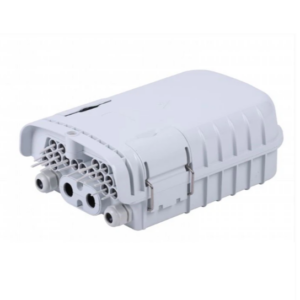
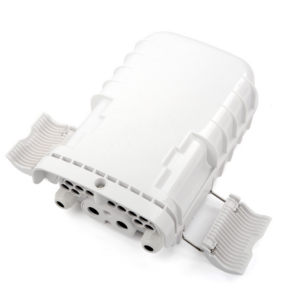
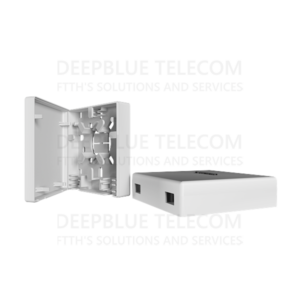
Outdoor fiber distribution boxes feature IP65/IP68-rated weatherproof enclosures, UV-stabilized materials, and corrosion-resistant hardware for pole, pedestal, or building exterior mounting in FTTH last-mile networks. Indoor fiber terminal boxes use lighter IP20/IP54 enclosures suitable for building risers, telecom rooms, and basement installations where environmental protection is less critical.
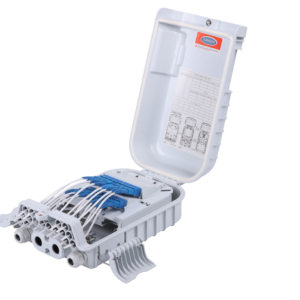
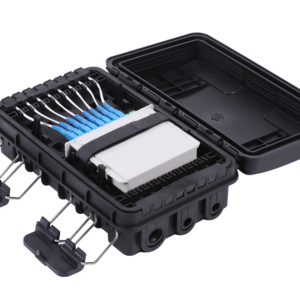
Yes. Most fiber optic distribution boxes include dedicated compartments or mounting positions for 1x4 or 1x8 PLC splitter modules. This configuration enables single-fiber feeder input with multiple connectorized drop outputs, ideal for GPON/EPON FTTH deployments. Ensure the box has sufficient internal volume for splitter module, input pigtail splice, and organized routing of output fibers to adapter ports.
Conduct annual inspections: check gasket/seal integrity, verify cable strain relief, inspect adapter ports for contamination, and clean connectors with appropriate tools. Replace damaged door gaskets immediately to maintain IP ratings. For outdoor boxes, verify mounting hardware tightness after extreme weather events. Keep documentation of port assignments current to avoid service disruptions during adds/moves/changes.
For building exterior walls with overhang protection, IP65-rated boxes are adequate. For fully exposed pole-mount, pedestal, or direct-weather installations, specify IP67/IP68 waterproof fiber optic distribution boxes tested for temporary or continuous water submersion. Always orient cable entry ports downward and use sealing grommets to prevent moisture ingress.