




FAQs
Quick answers for this category.
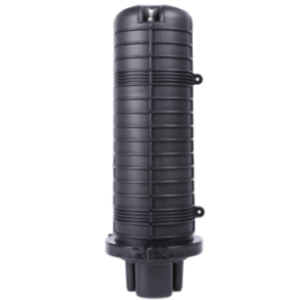
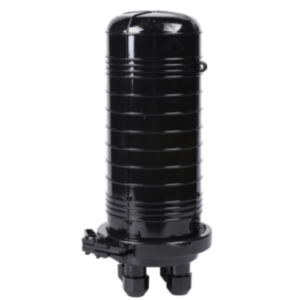
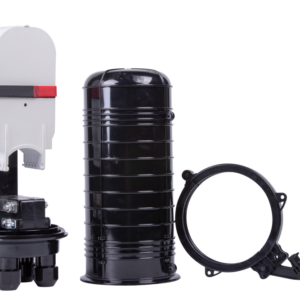
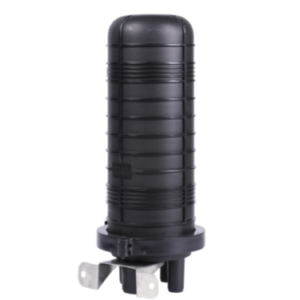
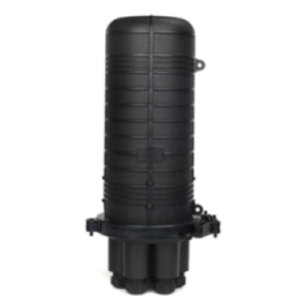
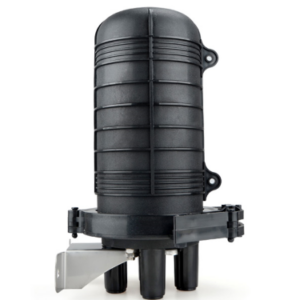
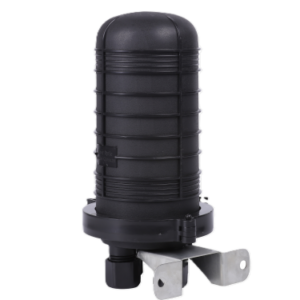
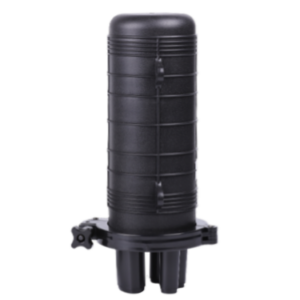
A dome fiber closure features a cylindrical or dome-shaped design optimized for aerial (pole-mount) and buried inline applications, typically handling 2-4 cable ports with 12-144 splice capacity. Horizontal fiber optic splice closures have a flat, rectangular profile designed for wall-mount, rack-mount, or cabinet integration, often supporting higher splice counts (up to 288+) and multiple cable entry configurations. For street cabinet or central office installations, horizontal closures provide better space utilization and easier maintenance access.
Calculate total splice count by considering: (1) number of incoming/outgoing cables × fiber count per cable, (2) through-splices for fiber continuity, (3) drop splices for branch connections, and (4) future expansion needs. Add 20-30% buffer capacity for network growth. For FTTH distribution points with PLC splitters, ensure the fiber splice closure has dedicated splitter trays plus sufficient splice capacity for input feeder and output drop fibers.
For aerial and pole-mount applications, specify IP67-rated closures (submersion-resistant for storm conditions). For direct-burial, underground vault, or flood-prone areas, IP68-rated waterproof fiber optic splice closures are essential, tested for continuous submersion at 1-2 meters depth. Indoor or climate-controlled cabinet installations may use IP54/IP65 closures. Always verify sealing performance with pressure testing during installation.
Use the closure manufacturer's specified sealing method: (1) mechanical seal kits with rubber grommets and compression rings for armored or large-diameter cables, (2) heat-shrink tubes with hot-melt adhesive for aerial drop cables, or (3) wrap-around sealing tape for quick field repairs. Always clean cable jackets, apply sealant evenly, and torque fasteners to specified values. After sealing, perform a pressure test (typically 100 kPa for 15 minutes) to verify integrity before final closure.
Yes. Most fiber closure designs support both inline (2-port) and branch (3+ port) configurations. Inline closures handle straight-through fiber routes with pass-through splicing, while multi-port closures enable network branching—such as feeder-to-distribution splits in FTTH architectures. Specify port count, cable diameter range, and splice tray layout based on your network topology. Some modular closures allow field-configurable port additions.