



FAQs
Quick answers for this category.
Fiber optic fast connectors can reduce total installation cost by lowering labor time, particularly for subscriber-side termination. Fusion splice + pigtail solutions often deliver more consistent results in backbone or high-criticality segments. Many operators standardize both approaches: fast connectors for field endpoints and fusion splicing for distribution nodes, depending on the cost model and required performance.
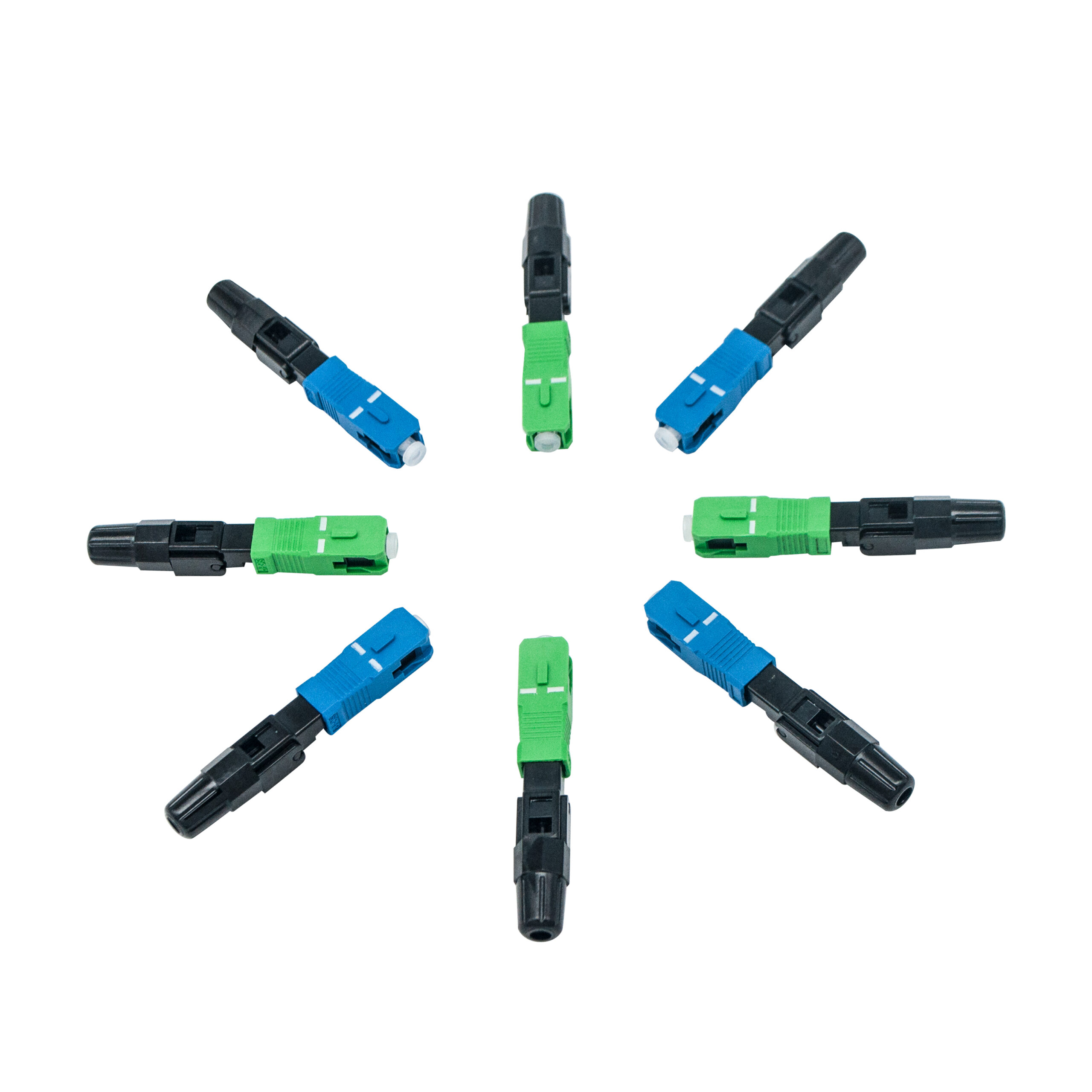
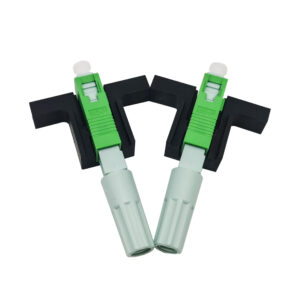
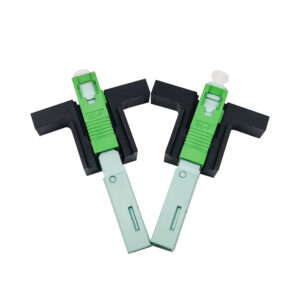
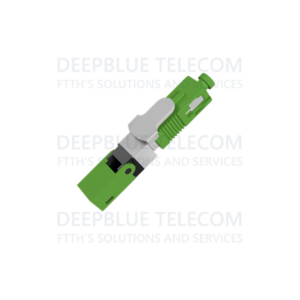
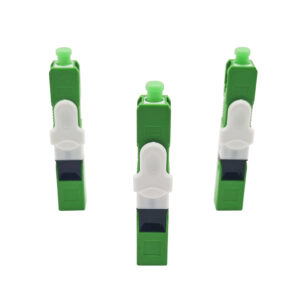
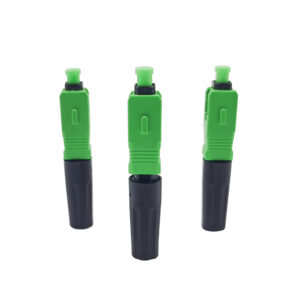
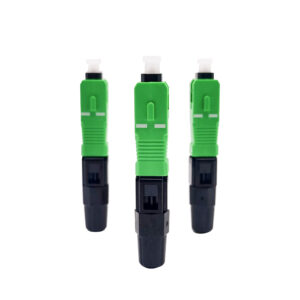
A fiber optic fast connector is widely used for FTTH drop cable termination, in-building distribution, wall outlets, and last-mile connections where speed, standardization, and lower tool dependency matter. In many deployment models, installers use an SC APC fast connector at subscriber-side endpoints to achieve stable optical performance and minimize reflection.
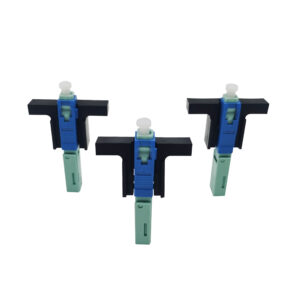
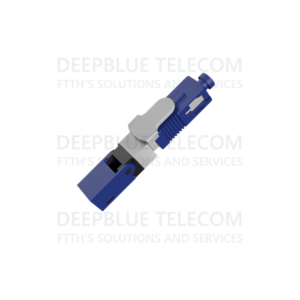
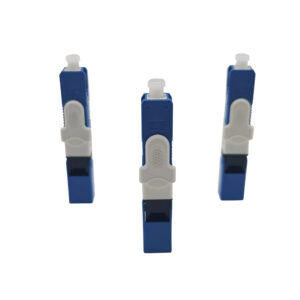
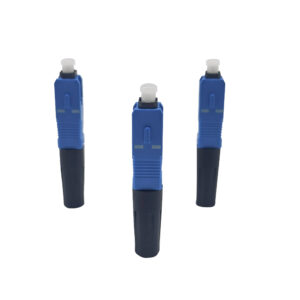
Choosing between SC APC fast connector and SC UPC fast connector depends on reflection requirements and the system design. An SC APC fiber optic fast connector is typically preferred in FTTH/GPON/EPON and CATV applications where higher return loss helps reduce back reflection. An SC UPC fiber optic fast connector is commonly used in general fiber links where UPC is the standard interface.
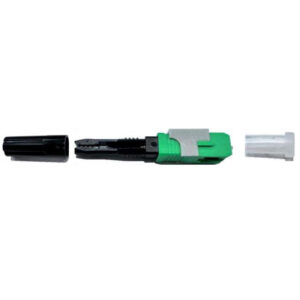
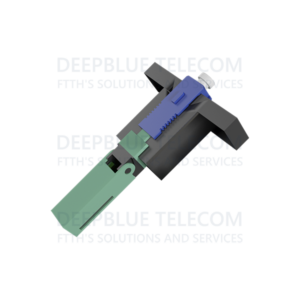
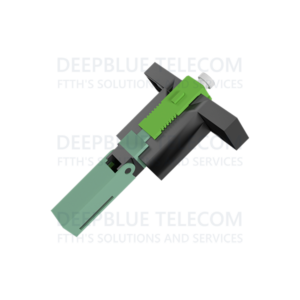
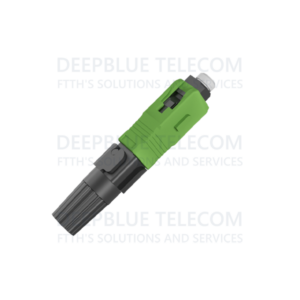
A fiber optic fast connector is generally built using either a mechanical splice structure (often with index-matching material) or a pre-aligned internal fiber stub design. If your project prioritizes fast, repeatable installation across many technicians, selecting the right fast connector structure can be as important as the SC/LC interface and UPC/APC polish type.
Most fiber optic fast connector products are intended for one-time termination to maintain performance consistency. Some field installable connectors can be reopened for troubleshooting, but re-termination is an exception rather than the standard workflow, especially when acceptance criteria are tight for insertion loss and return loss.