
FAQs
Quick answers for this category.
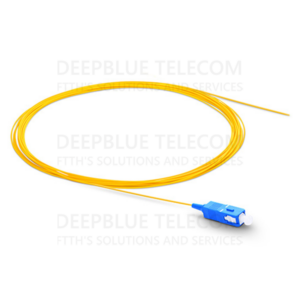
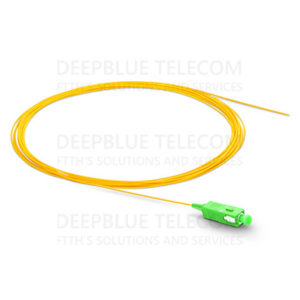
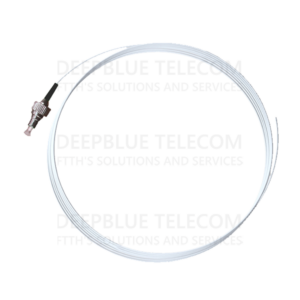
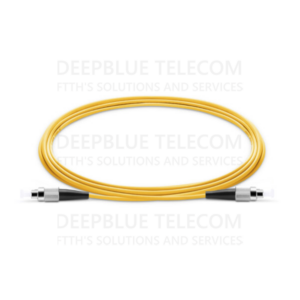
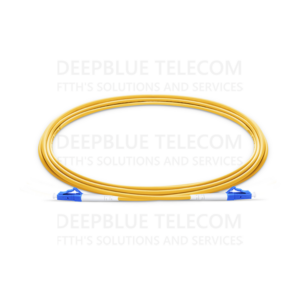
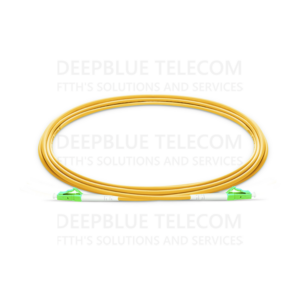
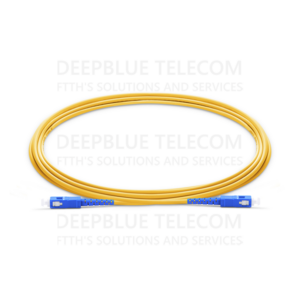
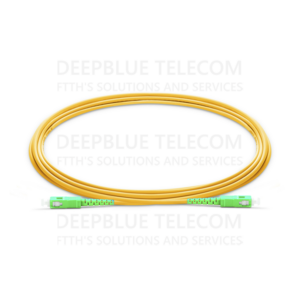
A fiber optic patch cord has connectors factory-installed on both ends, allowing plug-and-play connections between two pieces of equipment or between a patch panel and equipment—no splicing required. A fiber pigtail has a connector on only one end, with bare fiber on the other end that's fusion-spliced to cable infrastructure in the field. Use patch cords for flexible, frequently changed connections. Use pigtails when terminating trunk cables to distribution frames or when you need to splice to equipment with pre-installed connectors.
UPC (Ultra Physical Contact) connectors have a flat endface with slight curvature, providing return loss of 50-55dB—suitable for most data and telecom applications. APC (Angle Physical Contact) connectors have an 8-degree angled endface that directs reflected light into the cladding, achieving return loss >60dB. Never mate UPC to APC—it causes physical damage and >15dB loss. Color coding helps: APC connectors and boots are typically green; UPC are blue or beige.
Yes, absolutely. We can add custom labels with your company name or asset numbers. For specialized requirements like custom jacket colors for network color-coding, there's typically a minimum order quantity, but we're flexible depending on the specification. Contact us with your connector types, fiber type, lengths, and quantity—we'll provide pricing and confirm the delivery timeline. For large ongoing projects, we can maintain buffer stock of your specific configurations for immediate release.
The key is protecting both the cable and the connector endfaces. Never exceed the minimum bend radius—typically 10 times the cable diameter under no load, 20 times under tension. Sharp bends cause permanent fiber damage even if the jacket looks fine. Store patch cords in protective bags or cable management trays to prevent dust accumulation, and always keep connector caps on when not in use. Dust on endfaces is the number one cause of high insertion loss.
Yes. All patch cords undergo insertion loss and return loss testing during manufacturing. We can provide individual test reports with serial numbers, Tier 1 certification per TIA-568/ISO 11801 standards, and endface geometry analysis.